Muscle by muscle
How to build every muscle
What each muscle group does in a normal day, why you want it strong, and the best exercises for it at home and in a gym. Head to toe. Or start with a whole region: how to get stronger arms and how to get stronger legs.
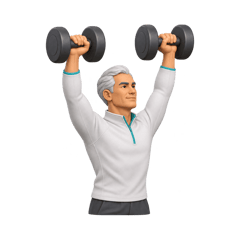 ShouldersLift things overheadYour shoulders lift your arms every way and hold each arm bone in a shallow socket. Press overhead, raise to the side and pull toward your face, twice a week.
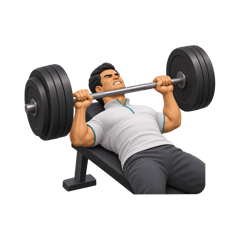 ChestPush things awayYour chest pushes things away from you, from a heavy door to the floor under you. Do push-ups or presses twice a week, and pull with your back as much as you push.
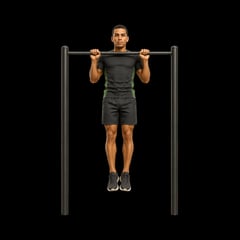 BackPull things in, stand tallYour lats and upper back pull, carry and hold your shoulders back. Do rows and pull-ups or pulldowns twice a week, with as many sets of pulling as pushing.
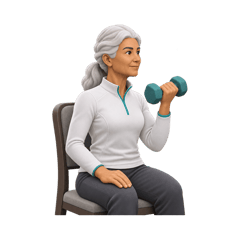 BicepsCarry and curlYour biceps bend your elbow and turn your palm up for every bag and child you lift. Rows and curls build them, and light or heavy weights both work when sets are hard. Triceps TricepsPush yourself upYour triceps straighten your elbow and are the biggest muscle in your upper arm. Train them with presses, push-ups and an overhead extension, two or three times a week.
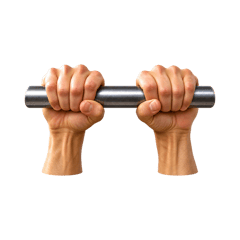 Forearms and gripHold onYour grip holds everything you carry, and in 139,691 adults it predicted death better than systolic blood pressure. Build it with heavy carries, hangs and rows.
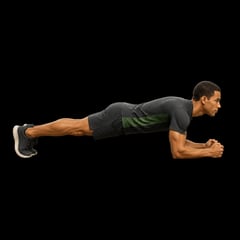 CoreKeep your trunk stillYour core's main job is to hold your trunk still while your arms and legs work. Train it that way, with planks, side planks, dead bugs and heavy carries.
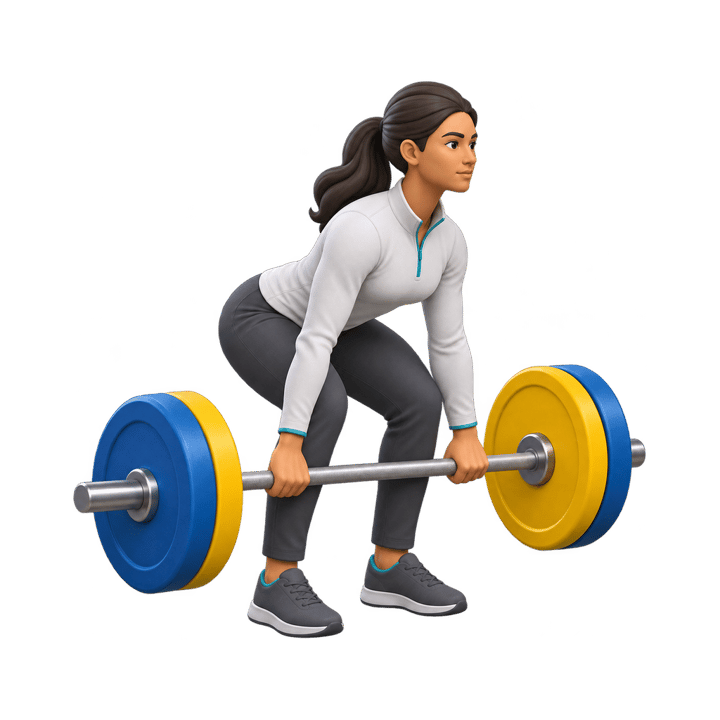
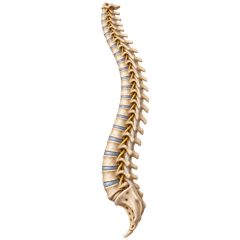 Lower backBend and lift safelyYour lower back muscles hold you upright and keep your spine firm when you bend and lift. Train them with hinges, back extensions and bird dogs, twice a week.
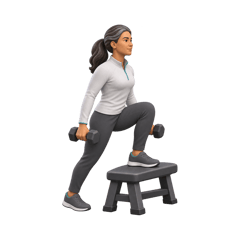 GlutesClimb, stand up, sprintYour gluteus maximus is the largest muscle in your body. It stands you up, climbs stairs and drives a sprint. Build it with hip thrusts, split squats and deadlifts.
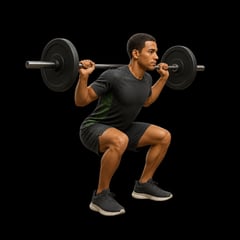 QuadsGet out of a chairYour quads straighten your knees to get you out of a chair, up the stairs and down from a jump. Train them with squats, split squats and step-ups, twice a week.
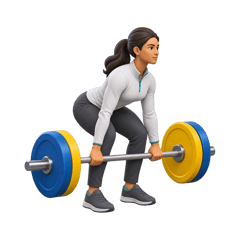 HamstringsSprint, hinge, brakeYour hamstrings bend the knee, straighten the hip and brake your leg in a sprint. Programs with Nordic curls cut hamstring injuries about in half.
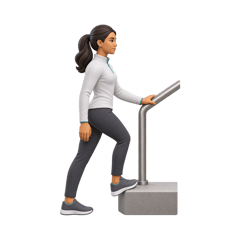 CalvesPush off every stepYour calves push you off the ground with every step and pump blood back up your legs. Train them with slow calf raises, heels low, two or three times a week.
The body in pairs
Every muscle on the front has a partner on the back. A program that trains both sides of each pair keeps your joints in line, which is why the strength protocol trains all twelve every week. Why balanced beats bench-only.
Front of the bodyBack of the body
Hip flexorsLift the kneeGlutesDrive the hip forward
ShinsLift the toesCalvesPush off the ground
Run the strength tests in Gyroscope (push-ups, pull-ups, plank, squat, dead hang, floor rise and one-leg balance), most about a minute and each scored 0 to 100 against your peers, and retest when a result turns yellow after two months. Log every set as you lift, with weight, reps and reps in reserve, and each lift builds its own estimated one-rep max trend. Open Gyroscope