How long should you be able to stand on one leg?
If you’re over 50, you should be able to stand on one leg for at least 10 seconds with your eyes open. In 1,702 adults aged 51 to 75, the ones who couldn’t had an 84% higher risk of dying over the next seven years. With your eyes closed, about 8 seconds is average in your 50s. Balance is a skill, so practice it every day.
There are two versions of this test online, and people mix them up all the time. The eyes-open version is the one from the 2022 study on survival. It’s a pass or fail at 10 seconds. The eyes-closed version is much harder, and it’s the one with averages for every decade from 18 to 99. It’s also the version the scorecard uses. A 55-year-old can sail through 10 seconds with her eyes open, then wobble off at 6 seconds with them closed, which is Fair for her age.
What we’d do
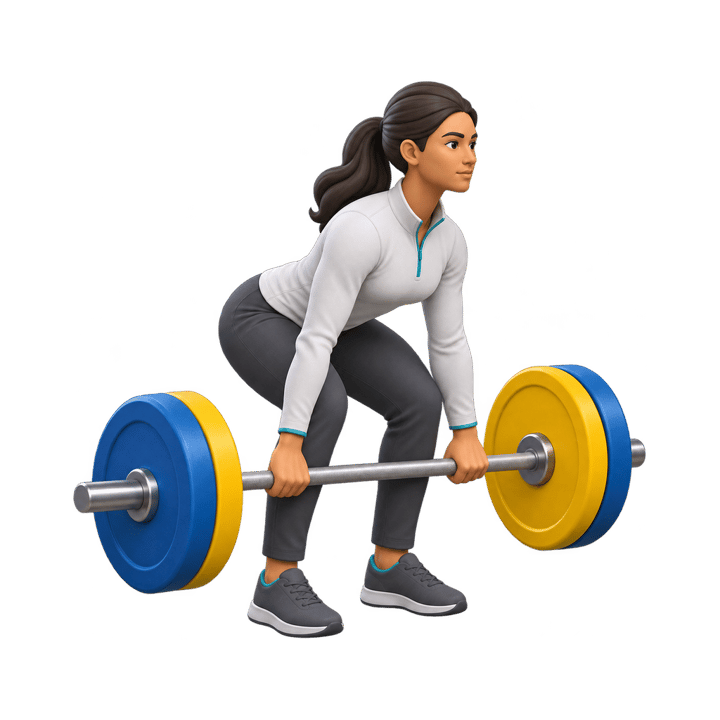
Do both tests next to a kitchen counter. If you’re past 50 and can’t hold 10 seconds with your eyes open, make balance your first thing to train. Practice one-foot holds next to the counter every day, eyes open and then closed, and add single-leg Romanian deadlifts and step-ups twice a week. Test again in eight weeks.
The 10-second test
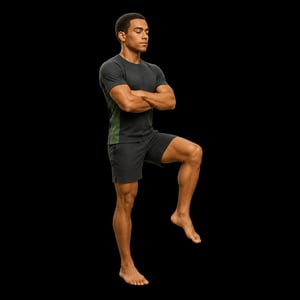
Researchers asked 1,702 people aged 51 to 75 to stand on one leg for 10 seconds, then followed them for a median of seven years. They put the front of the free foot against the back of the standing leg, kept their arms by their sides and looked straight ahead, with up to three tries on either foot.
One in five (20.4%) couldn’t do it. The share who failed climbed fast with age.
| Age | Couldn’t hold 10 seconds |
|---|---|
| 51 to 55 | 5% |
| 56 to 60 | 8% |
| 61 to 65 | 18% |
| 66 to 70 | 37% |
| 71 to 75 | 54% |
Over the next seven years, 4.6% of the people who passed died, against 17.5% of the people who didn’t. After adjusting for age, sex, BMI and health conditions, failing went with an 84% higher risk of death. The study shows a link, and it can’t show that practicing balance adds years.
84%higher risk of death
Adults 51 to 75 who couldn’t stand on one leg for 10 seconds, followed for seven years.
54%of 71 to 75-year-olds
The share in their early 70s who couldn’t hold 10 seconds with their eyes open.
1 in 4adults 65+ fall each year
CDC counts more than one in four older US adults falling every year, and about 4.5 million emergency visits.
The eyes-closed test, by age
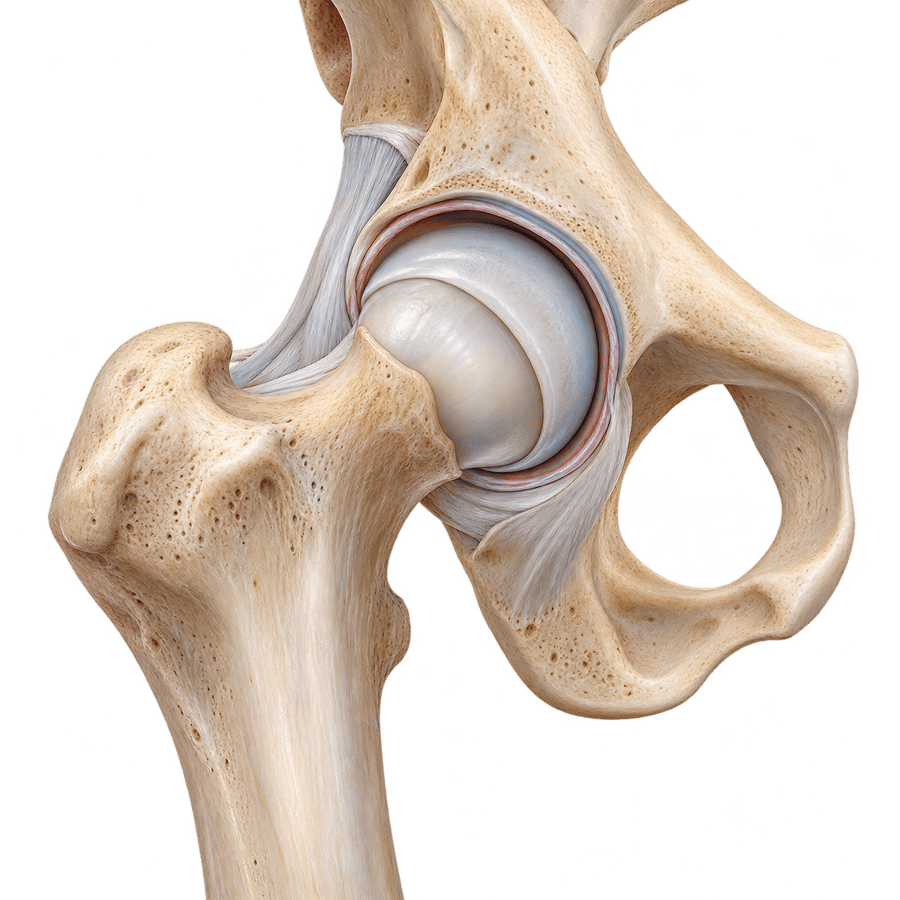
Your body balances with three senses at once. Your eyes, your inner ear and the sensors in your feet and ankles all report where you are. It’s like a three-legged stool. Close your eyes and you’ve taken a leg away, so the other two have to do all the work.
In 2007, researchers tested 549 healthy adults barefoot, arms crossed over the chest, eyes closed, best of three tries, with the clock stopped at 45 seconds. Women and men balanced about the same. The scorecard’s bands start from those averages. Good is at your decade’s average, Strong is a spread above it, and Fair is at the average for the decade above yours.
| Age | Average | Fair from | Good from | Strong from |
|---|---|---|---|---|
| 18 to 39 | 15.2 s | 12.7 s | 15.2 s | 28.5 s |
| 40s | 12.7 s | 8.3 s | 12.7 s | 25.6 s |
| 50s | 8.3 s | 4.4 s | 8.3 s | 16.7 s |
| 60s | 4.4 s | 3.1 s | 4.4 s | 9.5 s |
| 70s | 3.1 s | 1.9 s | 3.1 s | 7.6 s |
| 80 and up | 1.9 s | 0.9 s | 1.9 s | 2.9 s |
Anything under the Fair line is Building. The average drops from 15.2 seconds before 40 to 4.4 in your 60s, so the scorecard can tell you which decade your balance belongs to. Hold 6 seconds and your balance holds like the average person in their 60s. Hold 10 and it holds like the average person in their 50s.
How to practice
Stand barefoot next to a counter you can grab, on a floor with nothing to trip over. Hold one foot up for as long as you can, a few times on each side, first with your eyes open, then closed. Do it while the kettle boils or while you brush your teeth. Single-leg Romanian deadlifts and step-ups make the legs underneath stronger. Use the test timer to time yourself the same way each time.
One-leg balance is one of the strength tests in Gyroscope, scored 0 to 100 against your peers (how tracking works). For the longevity side of this test, lifespan.guide answers How long should you be able to stand on one leg?
4 sources
- Araujo CG and others, Successful 10-second one-legged stance performance predicts survival in middle-aged and older individuals, British Journal of Sports Medicine, 2022europepmc.org
- UPI Health News, report on the one-leg stance study with its protocol and results by age, 2022upi.com
- Springer BA and others, Normative values for the unipedal stance test with eyes open and closed, Journal of Geriatric Physical Therapy, 2007geriatrictoolkit.missouri.edu
- Centers for Disease Control and Prevention, Older adult falls datacdc.gov