Is it safe for teenagers to lift weights?
On this page
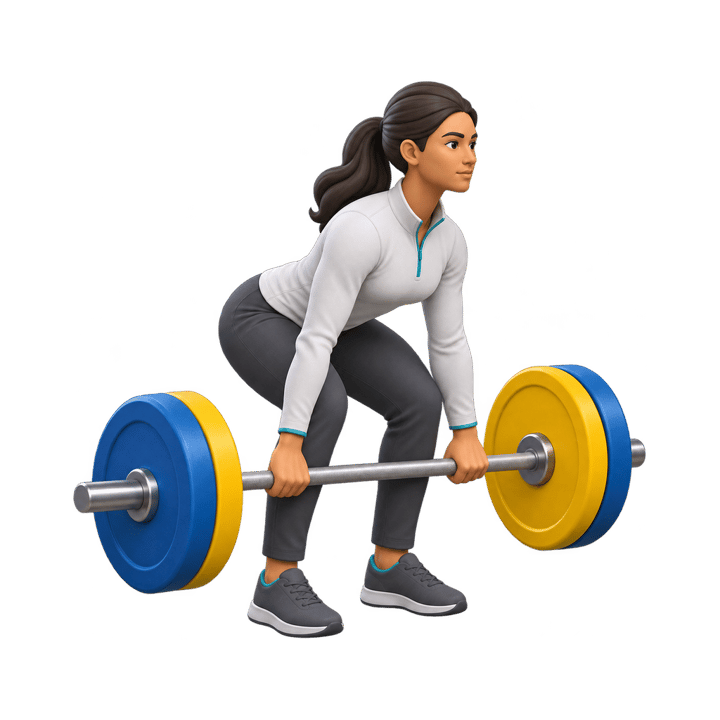
Yes, with good coaching and sensible loads. The American Academy of Pediatrics supports strength training for kids and teens, athletes or not. The injuries that do happen come from poor technique, weights that are too heavy and nobody watching, and a coach fixes all three. We don’t set weights or standards for anyone under 18.
Most parents have heard that lifting weights stunts a kid’s growth. The worry has a real starting point. The growth plates near the ends of a teenager’s bones, where the bone gets longer, can be three to five times weaker than the tissue around them. It sounds like a heavy bar should crush them. When researchers went looking for that damage in supervised programs, they didn’t find it.
What we’d do
Start with a coach or a well-run school program. Learn each move with body weight or an empty bar first, and add weight slowly once the form is clean. Skip max lifts and home setups with nobody watching. Our tools and bands start at 18, so the numbers on this site aren’t meant for teens.
What the doctors say
The American Academy of Pediatrics updated its policy on resistance training for children and teens in 2020. It supports training for athletes and nonathletes alike, partly because kids’ muscular fitness has been falling for years. The US activity guidelines ask everyone aged 6 to 17 for activities that make their muscles and bones strong, like climbing on playground equipment, basketball and jumping rope.
Where the injuries come from
A 2010 review by Avery Faigenbaum and Gregory Myer looked at the evidence on young lifters, from case reports to school injury records.
Growth plates
Faigenbaum and Myer, British Journal of Sports Medicine, 2010
No prospective study with professional supervision reported an injury to growth cartilage, and the authors found no evidence that lifting harms how tall kids grow.
The reported growth plate injuries came with bad technique, bad loads or no supervision, like a 13-year-old lifting a 66 lb (30 kg) weight overhead alone at home.
Against other sports
School-age youth, 1,576 sports injuries
Resistance training caused 0.7% of the injuries. American football caused 19%.
Plenty of ordinary sports load growing bones hard too. Jumping and landing can produce forces of five to seven times body weight.
In kids aged 8 to 13, about two thirds of lifting injuries were to the hands and feet, mostly from dropping weights and pinching fingers. Those are accidents, and a coach and a tidy weight room prevent most of them.
0.7%of school sports injuries
The share caused by resistance training, against 19% for American football (Faigenbaum and Myer, 2010).
5 to 7xbody weight
The force of jumping and landing in ordinary sports, which teens do every day.
0growth cartilage injuries
Reported in prospective studies of youth lifting with professional supervision.
Think of it like driving lessons
You’d want a 15-year-old to learn to drive with an instructor beside them, in an empty parking lot, before the highway. Lifting works the same way. Weeks of light weights and good form come first, and the heavier loads come once the moves are automatic.
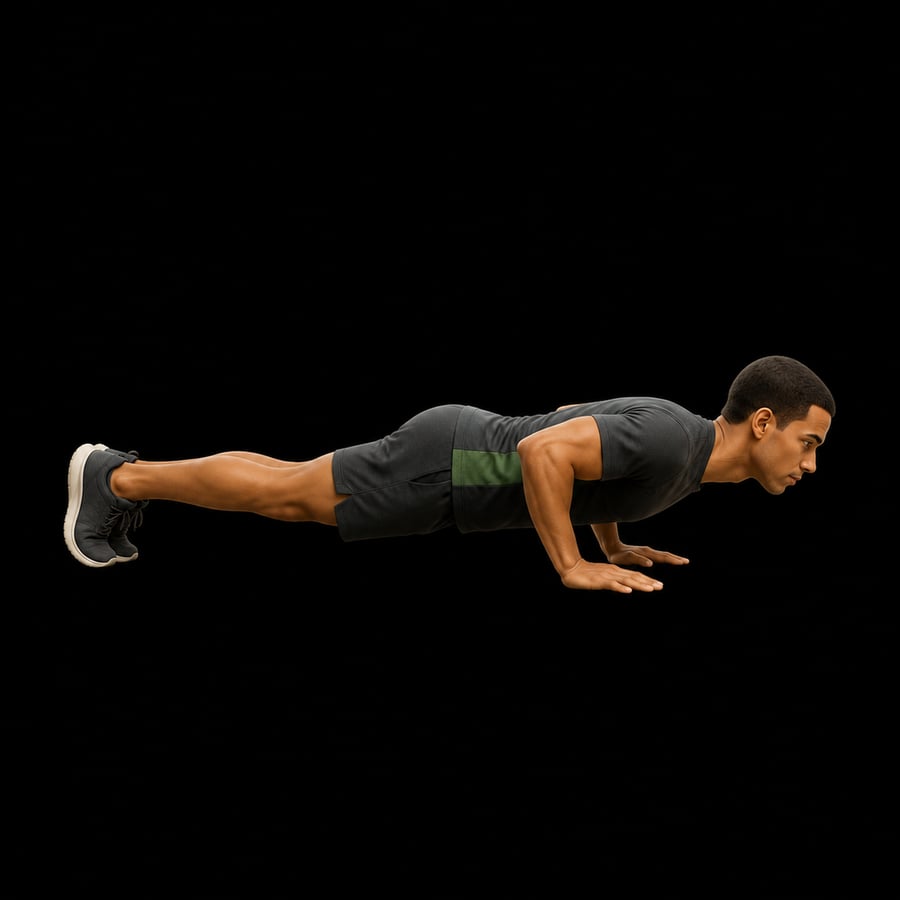
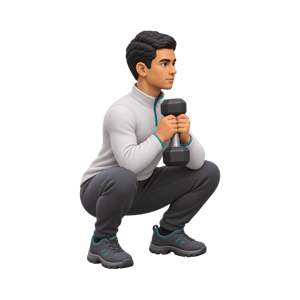
The review’s advice for coaches puts the focus on learning good technique instead of the amount of weight lifted. We’d start with push-ups, bodyweight squats, lunges and rows before anything goes on a bar, with a coach who changes the plan when a kid is struggling.
What this site does for teens
Our bands and tools are made for adults, so they stop at 18 and send teens here. The rest of the site still explains how strength works, and lifting weights stunts a kid’s growth goes deeper on the growth question. Jumping, sports and lifting all build bone, which is on how to build stronger bones.
3 sources
- Stricker PR and others, Resistance training for children and adolescents, American Academy of Pediatrics policy statement, Pediatrics, 2020europepmc.org
- Faigenbaum AD and Myer GD, Resistance training among young athletes: safety, efficacy and injury prevention effects, British Journal of Sports Medicine, 2010pmc.ncbi.nlm.nih.gov
- US Office of Disease Prevention and Health Promotion, Physical Activity Guidelines for Americans, top 10 things to knowodphp.health.gov