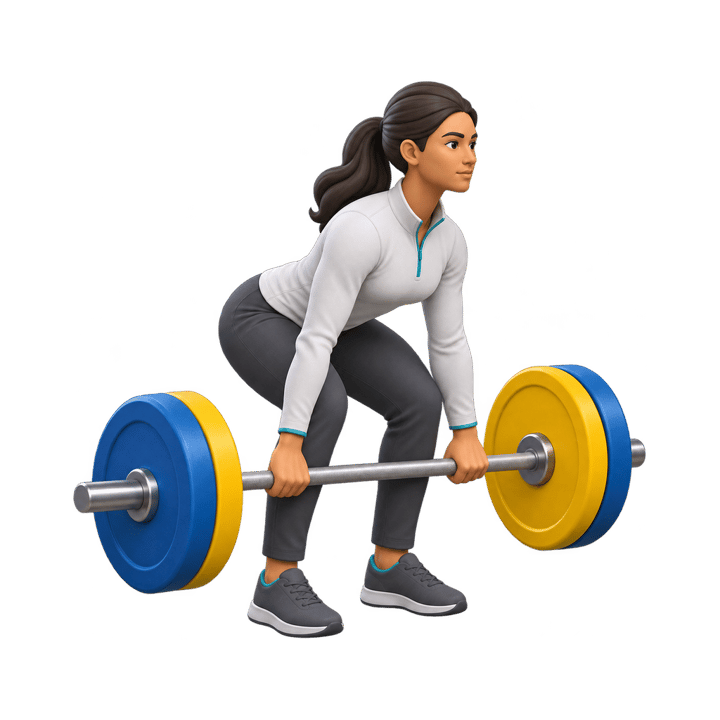
Lifting weights stunts a kid's growth
Short answerNo
On this page
No. The American Academy of Pediatrics supports strength training for children and teens, and a review of youth training found no evidence that it slows growth in height. Injury to the growth plates hadn’t been reported in any study that followed kids through a training program. The real risks are poor form, too much weight and nobody qualified watching.
What we’d do
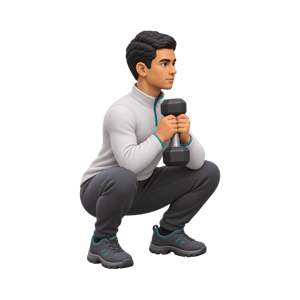
If your kid wants to lift, find a qualified coach and start with bodyweight and light weights, learning each move well before adding load. Keep it supervised, keep weights racked and out of reach at home, and skip max lifts. We don’t set weights or standards for anyone under 18, and our tools don’t score them.
If you remember three things
- No evidence it stunts growth. A 2010 review found nothing showing strength training harms growth in height.
- Most injuries are accidents. In kids aged 8 to 13 seen in emergency rooms, about two-thirds of lifting injuries were to the hands and feet, mostly from dropped or pinched weights.
- Supervision is the safety gear. A recurring theme in youth lifting injuries was no qualified adult supervising.
Why it seems true
The idea has a grain of logic. Children’s bones grow from soft plates of cartilage near their ends, and a 2010 review notes the growth plate can be three to five times weaker than the tissue around it. Heavy weight pressing down on a growing skeleton sounds like it could squash it.
A picture from daily life
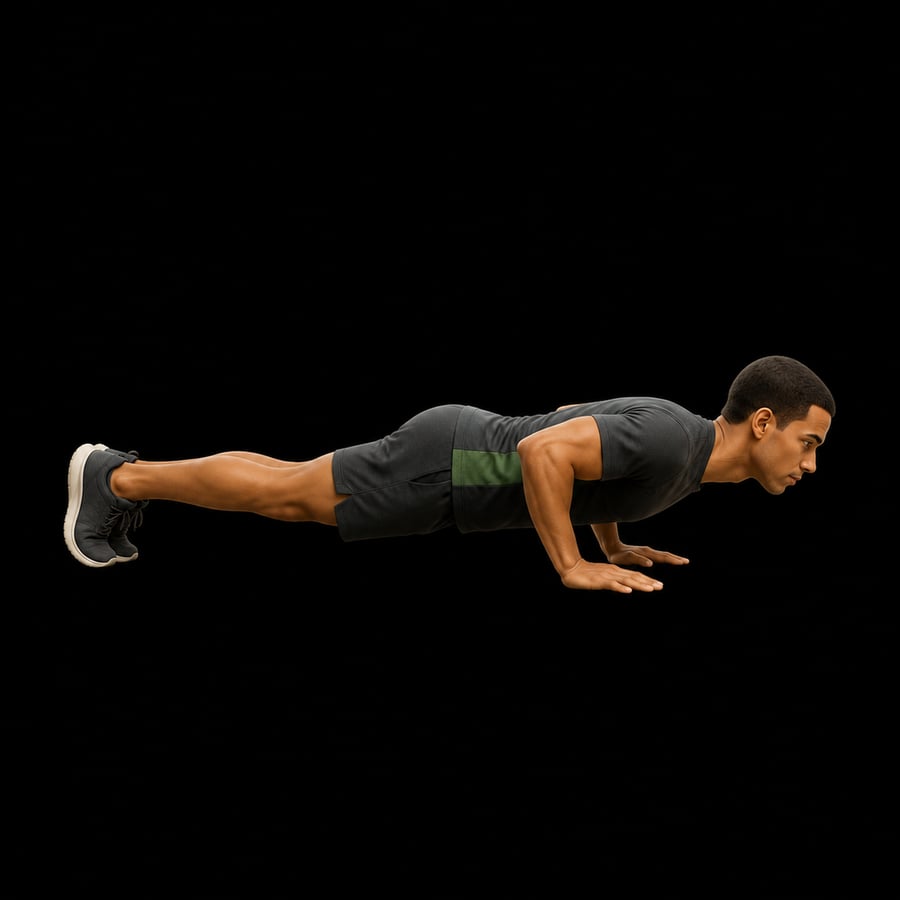
Kids jump off walls, hang from monkey bars and carry their friends around the playground. Their bones take a pounding all day, and that loading is part of how bones grow strong.
The US guidelines for children ask for exactly that kind of thing, muscle- and bone-strengthening activity like climbing on playground equipment, playing basketball and jumping rope.
What the evidence says
In 2010 Avery Faigenbaum and Gregory Myer reviewed the research on youth strength training for the British Journal of Sports Medicine.
- Growth. They found no evidence that strength training has a negative effect on growth in height in childhood or adolescence.
- Growth plates. Injury to the growth cartilage had not been reported in any prospective study of youth strength training. The growth plate injuries that had been reported came mostly from poor technique, bad choices of weight or no adult supervision.
- How injuries happen. Most injuries in young lifters were accidents. In emergency room data on 8 to 13-year-olds, about two-thirds were to the hands and feet, mostly from dropping or pinching weights.
- Compared with sports. Strength training and weightlifting were markedly safer than many sports kids play. American football had the highest injury rate of the activities they compared.
Their conclusion was that strength training can be safe and effective for children and teens, provided qualified professionals supervise the sessions. The American Academy of Pediatrics revised its own policy in 2020 and supports resistance training for children and adolescents, noting that young people’s muscular fitness has been declining.
What good youth training looks like
- A qualified coach who knows how to teach young lifters, at school, a club or a gym.
- Technique before load. Bodyweight moves and light weights until every rep looks the same.
- Small steps up, only once the form is solid.
- No max lifts and no showing off for friends.
- Safe storage at home, with plates and barbells racked where younger kids can’t pull them down.
But kids’ bones are fragile
The worry
Growth plates are weak points. Why put load on them at all while a child is still growing?
The evidence
They’re weaker, so supervision counts. Growth plates can be three to five times weaker than the tissue around them, and that’s why youth training starts light and is coached. The injuries the review found came from accidents and unsupervised lifting, and none were reported in the training studies. Supervised, it’s safer than many sports kids already play.
3 sources
- Stricker PR, Faigenbaum AD and McCambridge TM, Resistance training for children and adolescents, Pediatrics, 2020europepmc.org
- Faigenbaum AD and Myer GD, Resistance training among young athletes: safety, efficacy and injury prevention effects, British Journal of Sports Medicine, 2010pmc.ncbi.nlm.nih.gov
- US Department of Health and Human Services, Top 10 things to know about the second edition of the Physical Activity Guidelines for Americansodphp.health.gov