Do I need cardio if I lift weights?
On this page
Yes. In a 2026 Harvard study of 147,374 US adults, people who walked briskly 150 to 300 minutes a week and never lifted had a 26% lower risk of death. The best lifting group, once walking was accounted for, was 13% lower. Doing both went lower still, and across 43 trials, adding cardio didn’t cost people any strength or muscle.
Lifters often skip cardio because they’ve heard it eats their gains. People who run or cycle often skip lifting because they think their heart is what counts. Each group is leaving out the half that the other one does best, and in a 2026 study of 147,374 US adults, the people who did plenty of both had some of the lowest risk of all.
What we’d do
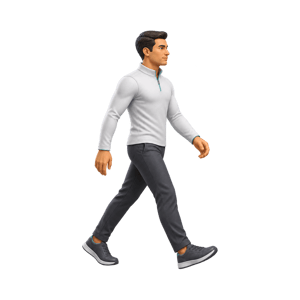
Walk briskly at least 150 minutes a week and lift twice. If you’re short on time, keep the two lifting sessions and walk on the days in between. If jumping and sprinting power count in your sport, do hard cardio and heavy lifting in separate sessions, at least a few hours apart.
Like brushing and flossing
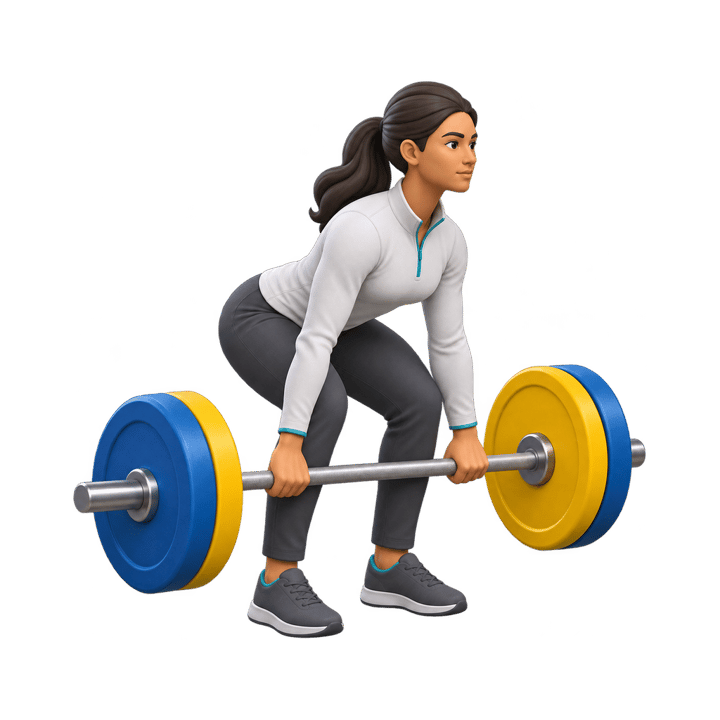
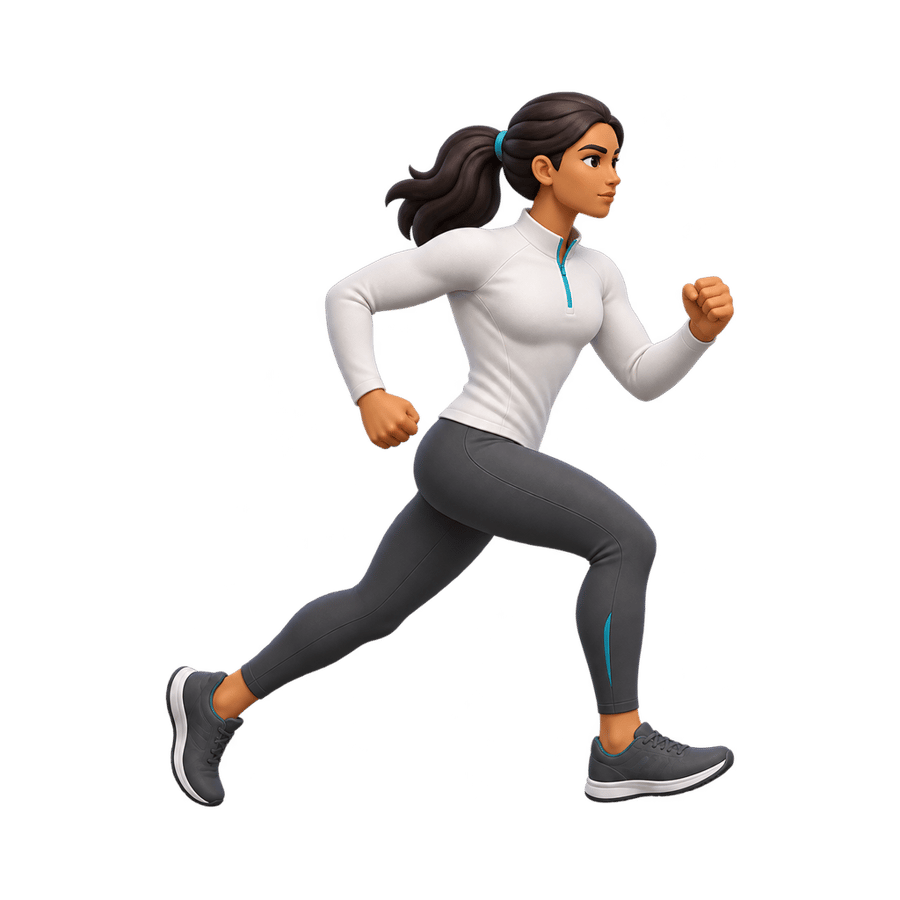
Lifting and cardio are like brushing and flossing. Each one reaches a part the other misses, and doing one really well doesn’t make up for skipping the other. Lifting builds muscle, bone and the strength you lose with age. Walking, cycling and running train your heart and lungs.
What the Harvard study found
A Harvard team including Edward Giovannucci followed nurses and other health professionals for up to 30 years and asked every few years how much they lifted and how much aerobic exercise they did. Brisk walking (2.5 mph or faster) counts as moderate activity, and here’s part of their grid, in brisk walking minutes, against people who did little of either:
| Brisk walking a week | No lifting | 1 to 59 min lifting | 60 to 119 min lifting |
|---|---|---|---|
| Under 150 minutes | The comparison | 7% lower | 11% lower |
| 150 to 300 minutes | 26% lower | 27% lower | 30% lower |
| 300 to 600 minutes | 32% lower | 38% lower | 44% lower |
Going down a row, from too little walking to enough, moves the risk more than going across, from no lifting to an hour or two. The bottom right corner, plenty of both, was the lowest of these. It’s a study of people who chose their own exercise, so it shows what went together with a longer life rather than proof of cause. A 2022 review of 16 studies found the same pattern, with lifting plus aerobic exercise going with 40% lower risk of death than neither.
26%walking, no lifting
150 to 300 minutes of brisk walking a week, in 147,374 US adults.
13%the best lifting group
90 to 119 minutes of lifting a week, adjusted for aerobic exercise.
43trials, no lost strength
Adding cardio to lifting didn’t dent max strength or muscle size (Schumann, 2022).
Will cardio kill your gains?
Lifting alone, or lifting plus cardio
43 studies, 1,090 people. Schumann and others, Sports Medicine, 2022
People who added cardio to the same lifting program gained the same max strength and the same muscle size as people who only lifted. Explosive strength, like jumping, came out a little lower, mostly when both were done in the same session. With at least 3 hours between them, there was no clear effect.
The dip in explosive strength was small, and athletes who jump and sprint are the ones who’d notice it.
Running showed no clear effect on explosive strength in that review. Cycling did at first, but not once one outlying study was removed. For most people lifting twice a week, a daily walk won’t touch their progress. Cardio kills your strength gains goes through the myth in full.
How much of each
The US guidelines ask adults for 150 to 300 minutes of moderate activity a week, such as brisk walking, plus muscle-strengthening on 2 or more days. That’s about 20 to 40 minutes of walking a day and two lifting sessions. Put your own week into how much is enough? and see which cell of the grid you’re in.
For the cardio half of the week (how much, how hard and what kind), see exercise.guide, and vo2max.guide for raising your aerobic fitness.
5 sources
- Zhang Y and others, Long-term resistance training with all-cause and cause-specific mortality, British Journal of Sports Medicine, 2026pmc.ncbi.nlm.nih.gov
- Schumann M and others, Compatibility of concurrent aerobic and strength training for skeletal muscle size and function: an updated systematic review and meta-analysis, Sports Medicine, 2022pmc.ncbi.nlm.nih.gov
- Momma H and others, Muscle-strengthening activities are associated with lower risk and mortality in major non-communicable diseases, British Journal of Sports Medicine, 2022pmc.ncbi.nlm.nih.gov
- US Office of Disease Prevention and Health Promotion, Top 10 things to know about the second edition of the Physical Activity Guidelines for Americansodphp.health.gov
- Centers for Disease Control and Prevention, Measuring physical activity intensitycdc.gov